Monday, October 02, 2006

Our Impressions of the Regent Seven Seas Mariner

General information about our Regent Seven Seas Mariner (Alaska to Russia to Japan) cruise.

Regent Seven Seas Mariner docked in Otaru, Japan.

The Regent Seven Seas Mariner is a gorgeous ship and we really enjoyed our cruise! We first saw her docked in Whittier, Alaska. It was a perfect, warm, sunny day and she really was stunning against the backdrop of both water and mountains. The vision made an excellent first impression on us.

As we boarded and started to explore, we warmed to the Mariner even more. For us, she's just the right size with a capacity for 700 guests in all-suite, all-balcony accommodations. There are plenty of people to meet and socialize with during your voyage, but there's still ample room for peace and quiet and romantic moments for two. In fact, Regent is proud that its passenger space ratio is among the highest at sea when compared with other cruise lines.

Though the ship was launched in 2001, it's in excellent shape, from the public rooms to the suites. We are having a slight problem with one of the Mermaid pods on this cruise but the Mariner will go into dry dock in December for a tune up, as well as some upgrades and tweaks to keep the ship in tip-top condition.

This is the sight that greets you when you first board the Regent Mariner. It's the lobby on Deck 5.

A bank of three glass elevators whisk guests to their destinations. When the seas are very rough, the Captain turns off two elevators but leaves the center unit in service.

The lobby atrium is a great spot for taking photos.

Sculptures adorn the atrium walls.

All-Inclusive Policy
As of 2007, Regent is going to an all-inclusive policy. This means all gratuities and select wines and spirits are included in your cruise fare.

Service
The service aboard the Mariner was superb! Everyone on the crew seemed to truly enjoy working for Regent and took pride in their work. The crew was friendly and efficient while not being intrusive. In fact, the crew to passenger ratio is 1:1.6. No wonder the service is so good!

Staterooms
Every room on the Mariner is called a suite and each has a balcony. In my opinion, that's a real plus! Once you've had a stateroom with a balcony, there's really no going back. It adds an additional layer of luxury and comfort to your vacation. It's so worth it!

Suites range from 301 square feet (including a 49-square-foot balcony) to the 2,002-square-foot Mariner Suite that's fitted with two bedrooms, two-and-a-half baths, a 727-square-foot balcony and a 71-square-foot side balcony.

Suites are incredibly comfortable. We loved the European king bed – which can also be configured as two twins – with down pillows and Egyptian cotten linens. You'll find a nice-size walk-in closet with a digital safe, bathroom with marble accents and a shower and tub combo (a few suites have a shower and no tub), cotton bathrobes and slippers, a hair dryer, flat-screen TV with CD/DVD player, a mini fridge stocked with soft drinks and an in-suite bar setup. (You can indicate your preferences prior to sailing using Regent's online reservation system.)

There are six wheelchair accessible suites with roll-in showers: suites 828, 829, 918, 919, 1012 and 1013.

We booked a Penthouse B suite. There's another blog entry devoted to that room category. Check it out for more information. We really loved the additional space and we'd definitely book this category, or a Penthouse C, again. Penthouse categories A and B include butler service. Penthouse C suites do not benefit from a butler. Depending on your needs, you may or may not need the additional service.

What does a butler do? He can press your clothes, shine your shoes, make dinner reservations, arrange for a private tour of the galley, set up a private in-suite party, refresh your fruit bowl on a daily basis, bring canapes to your room before dinner and assist you in many other ways.

Butler suites also receive a quantity of personalized stationery, complimentary newspaper delivered to your room each day (major papers are on the list but not our paper of record, the New York Times) and an iPod music system with Bose speakers (top three suite categories only).

There was no iPod in our Penthouse B suite, but the docking station was there with the Bose speakers. That was perfect since we had our on iPod with us anyway. It's so nice to be able to listen to your favorite music while cruising into port!

During our cruise, several suites were open for us to view. I believe this is one of the Seven Seas Aft suites.

Dining

There are four restaurants – Compass Rose, La Veranda, Signatures and Latitudes – aboard the Mariner, plus the Pool Grill and 24-hour room service. According to Passages the daily cruise newsletter, not all restaurants will be open every evening. For example, if Latitudes is open tonight, Signatures will be closed. When Signatures is open, Latitudes may be closed.

This is the shared lobby area for Compass Rose and Latitudes.

You can read all about the restaurants on Regent's website so I'll just give you the highlights here...

Compass Rose – This is the Mariner's main restaurant, serving continental and regional fare. Since our cruise started in Alaska, many of the specials have incorporated local king crab and salmon. So far, this is my favorite restaurant onboard. We enjoyed a tasty grilled venison dinner, broiled salmon and a very good veal scallopini. The dining room is decorated in muted tones and is quite large. Dinner service does take some time, especially if you wish to indulge in all of the courses. However, service was friendly and efficient and we almost always could get a table for two at dinner. I don't drink alcohol so it took a few meals before our waiter made sure to always bring ice tea or diet Coke as an alternative. The sommelier was very accessible and made sure glasses were filled at all times. As mentioned in another entry, the wine selection was not as inspired as my husband would have hoped, but after talking with the sommelier, good alternatives were available.

La Veranda – This is the Mariner's more casual restaurant. It offers a buffet breakfast and lunch and then transforms into an Italian trattoria in the evening. There's a nice antipasto bar in addition to the a la carte menu. Dessert is also buffet-style. On some evenings, the menu was that of a Tuscan steakhouse. There's both indoor and outdoor seating. La Veranda was a great option for dinner when we didn't want multiple courses. We'd enjoy some antipasto and an entree or some dessert.

Signatures – There are two "specialty" reservations-only restaurants, one of which is Signatures. The cuisine is French and its managed by Le Cordon Bleu. We dined here four times, twice with our Le Cordon Bleu classmates. The first meal here was terrific. The other nights, we were a bit disappointed. The preparations were good, the menu inventive. However, the quality of some of the ingredients could have been better. For example, one evening, dessert included a roasted pineapple option. The chef used canned pineapple. It was a turn off. I couldn't figure out why this was done since La Veranda offers fresh pineapple as part of its buffet breakfast each morning. There were some highlights at Signatures. Their soup course is uniformly good and the pastry chef also performed well.

Latitudes – The second reservations-only restaurant is the Asian fusion-inspired Latitudes. We've dined here once. It was a nice meal but not knock-out spectacular. One thing to note is that Regent tries to make a large crosssection of its guests happy with its menu. To do this, the chefs often need to go light on the herbs and spices. We happen to enjoy bold flavors, so dishes sometimes seemed flat because they were missing some additional flair in the spice area. Going light on the spices was definitely noticable at Latitudes. The food was good, presentation was excellent but the taste lacked some umph.

Pool Grill – The Pool Grill was perfect for casual lunches or afternoon snacks. This spot, between the pool and the entrance to La Veranda, is also used for special events like BBQs, taco fests, fish frys, etc. You can get terrific burgers here, including a special bleu cheese burger that we loved! Other offerings included grilled shrimp, pasta salad, a regular salad bar, soups, sandwiches and sweets (ice cream, cookies, cakes, etc.). It was a bit chilly during a few of our sea days but you could always order from the Pool Grill and eat inside La Veranda.

In-Room Dining – There's a 24-hour menu, plus entrees from Compass Rose. (Menus are posted daily on the closed-circuit TV station.) To be honest, we had a few problems with room service that we believe stemmed from a languge problem. Just be specific when you call in your order and ask the crewmember to read back your request before hanging up and you should be fine.

Lounges

There are several lounges on the Mariner – all are terrific for conversation and a glass of wine before or after dinner. We especially liked the Observation Lounge (quiet and wonderful views) and the Horizons Lounge (which includes a good-size outdoor balcony area, in addition to indoor seating). The Connoisseur Club is the place to go to smoke a cigar or snag a snifter of brandy.

Horizons Lounge during a traditional Japanese tea ceremony.

Here's the Mariner Lounge on Deck 5, next to Compass Rose.

The Connoisseur Club on Deck 6.

The fireplace in the Connoisseur Club.

Pool, Whirlpools and Deck 12

It was a little too cold for swimming in the pool during our cruise, but it was available for those who could brave it. The two whirlpools were almost always available and the warmer was nice and warm.

On Deck 12, that rings above the pool area of Deck 11, you can walk or jog.

Library, Club.com, Coffee Corner & The Garden Promenade

On Deck 6 you'll find the library (books and DVDs), Club.com (outfitted with Internet-ready computers), the Coffee Corner with a cappucinno maker (and wireless Internet access) and the Garden Promenade (that offers board games and puzzles).

The library on Deck 6 is a great place to hang out and relax.

The DVD library is fairly extensive.


The Regent Seven Seas Mariner is a spectacular ship and we hope to sail with her again in the future!

Two Days in Tokyo & Bon Voyage to the Mariner

Day 13 aboard the Regent Seven Seas Mariner (Alaska to Russia to Japan).

Tokyo was our last port of call. While we were sad that our cruise aboard the Mariner was coming to an end, we were very interested in getting to know the massive capital of Japan.

Regent's Mariner sails into Tokyo on October 2, 2006.

While we found very few people that spoke English, we had no trouble getting around and actually bought day passes for the subway system. You don’t need to know Japanese to navigate the subway because the signage is so good. Try it the next time you’re in Japan!

It took us a few tries, but we eventually figured out how to buy our subway passes at this machine.

If you’re from New York City like we are, you’ll be amazed to see that people actually line up and patiently wait for the subway to arrive! There’s no pushing and shoving when the doors open: Commuters file off the train and other passengers calmly move in when the coast is clear. I don’t think I’ll ever see that in the states; I wish we would! The lines are organized well and very clean. It was a pleasure traveling around Tokyo via subway.
As you can see, the tracks are cleaner than clean. (If you don't live in a major city, this probably seems like no big deal. However, if you've ever waited for the subway in Manhattan during the middle of a heatwave, you'll understand why we think a clean subway system is a fantastic subway system!)

Check this out, the underground subway passages are lined with potted plants!

Tokyo is a huge city of 12 million people and it spans 55 miles east to west and 15 miles north to south. We’re from New York City, a place known for its hustle and bustle. Let me tell you, it’s a one-horse town compared to Tokyo! Wow!

We managed to cover a lot of ground in Tokyo – over eight miles in one day. (I couldn’t believe it either, but I wear a pedometer every day and was astounded to see that we walked that much!)

We spent a lot time just exploring the various sections of Tokyo… people watching, shopping, sampling food, etc. In addition, we visited the following sights:

• Imperial Palace East Gardens – You can’t get very close to the Imperial Palace but it is a must on your photo opportunities checklist. To be honest, we found the gardens to be less impressive so we didn’t spend as much time here as we had originally anticipated.


• Senso-ji Complex – Located in the Asakusa section of the city, this 17th century Shinto shrine and garden honors the goddess of Kannon. It's a very busy spot with lots to see. After you've taken in the shrine, visit the nearby shopping kiosks and mom and pop restaurants.


• Meiji Shrine – Two 40-foot-tall torii gates (with a 56-foot span across the top) stand at the entrance of this gorgeous Shinto shrine. The gates were carved from 1,700-year-old Taiwanese cypress trees. Walking through the gates symbolizes that you are leaving the secular world in order to workship at the shrine within. This complex was built in honor of Emperor Meiji, who died in 1912. He was instrumental in putting Japan on the path to modernization.

When we visited the Meiji Shrine, we were lucky enough to see guests arriving for a traditional Japanese wedding ceremonies. These girls were adorable!


• Ginza shopping area – Wow! Wow! Wow! We had so much fun walking through the Ginza, stopping at unique boutiques and department stores and sampling luscious treats from the area dessert shops. And, you can’t go to the Ginza without spending some time in the famous department stores, Mitsukoshi and Takashimaya.

After an exhausting day, we headed back to the Mariner around 10:00 pm so we could pack our bags and disembark the following morning. Sigh! We wished we could stay on for the next segment of the Grand Asian Pacific voyage that continues on to Hiroshima, Japan before making its way to China’s Dalian, Tianjin (Beijing), Shanghai and Hong Kong.

We got back to our room and chatted with our butler Laxmesh for a while as we packed our things. We then drifted off for another restful night’s sleep. (I really love the beds aboard the Mariner! So comfortable!)

The next morning we were off the ship by 8:00 am. The process was quick and easy and within 10 minutes we were in a taxi on our way to the fantastic Four Seasons Tokyo at Chinzan-so. More on the Four Seasons later.

Not to sound like one of those glossy travel brochure, but our Regent cruise was so much more than a vacation… it really was a journey. We experienced so much and met so many fantastic people. I’ve got a lot more comments about the cruise experience overall. Look for those in another blog entry soon.


Photos by Leonard Hospidor

Beautiful and Sacred Sendai, Japan

Day 12 aboard the Regent Seven Seas Mariner (Alaska to Russia to Japan).

Sendai – the largest city between Sapporo and Tokyo – was spectacular today, despite the very heavy rain. Once again, we took Mother Nature’s curve ball in stride, put on our rain gear and anxiously waited for the all clear to go ashore. As we disembarked from the Mariner, crew members gave out large umbrellas to anyone who didn’t come prepared… a very nice touch! Without an umbrella or hat, you’d get drenched within seconds!

Map of Sendai courtesy of the Sendai Tourism & Convention Bureau.

We booked a Regent-sponsored tour for Sendai and are so glad we did. This is a large, sprawling city (about one million people) and you really need to drive quite a distance to get to the best shrines and temples in the Matsushima area. We weren’t sure about the availability of taxis or public transportation, so the Regent tour really was the best option.

The city itself is quite modern. That’s because downtown Sendai was bombed extensively by the U.S. during World War II. So, what you see now is fairly recent construction.

For The Many Sights of Sendai excursion, we joined other passengers on a modern air-conditioned bus. The highlights on this excursion included:

• Zuganji Temple – This Zen temple was constructed in 1606 by Date Masamune to serve as his family’s house of worship. The temple contains many painted screens and carvings, along with Date family heirlooms.

Pictured above is the Godai-do Temple which sits on one of Matsushima's 180 islands.
Photo courtesy of the Sendai Matsushima Tourist Guide.

• Godai-do Temple – Built near Zuganji, this is a tiny temple situated all alone on a pine-covered inlet.


To get to the temple, you must transverse one of two bridges.

The temple was built by the Order of Date Masamune and is only opened every 33 years. While we didn’t get to see the interior, the exterior of Godai-do was exquisite and well worth the trip.


The carvings on the eaves of the temple actually depict the 12 Chinese zodiac symbols.

• Shiogama Shrine – We then drove up the coast to the fishing town of Shiogama where the seaside Shiogama Shrine sits amid cedar trees. There is a steep staircase of 202 steps leading to the 1,200-year-old shrine. It’s quite a sight, whether you’re looking up or down the stairs!


The god enshrined at Shiogama protects fisherman, seafarers and expectant mothers. We were also told it relates somehow to salt, but we’re unclear on the exact meaning of that statement. In the spring, we’re told that the area’s cherry trees blossom in a glorious fashion.


• Kanran-Tei Pavilion – Presented as a gift in the late 16th century to the Date family by Hideyoshi Toyotomi, this artful pavilion was used for moon viewing and tea ceremonies.


To get to the Pavilion, which was actually built in Kyoto and then moved to Sendai, you walk through a wooded park area that is quite stunning. Statues dating back thousands of years dot the landscape. There is also a modern museum on the property with additional Date family artifacts.

Despite the veritable downpour, we got some amazing photos in Sendai. It’s a beautiful place.

Photos by Leonard Hospidor unless noted otherwise.

Sunday, October 01, 2006

Hakodate & Our Best Meal in Japan

Day 11 aboard the Regent Seven Seas Mariner (Alaska to Russia to Japan).


Today’s port of call was Hakodate at the southwestern tip of Hokkaido island. This was a major fishing and trade port during the Meiji-era and is still a bustling, important city for Japan. In fact, it’s home to the north end of the Seikkan Tunnel where trains pass to and from the main islands. It’s too far for daily commuter train traffic to Tokyo, but it’s still the major transportation method the Japanese now use to get around.

The weather today was sunny and warm; perfect for exploring the area. After talking with some locals and visiting the outdoor morning market and Hakodate History Plaza, the city quickly became one of our favorite ports on this itinerary. We really had a great time here, mainly because the people are so nice and friendly!

Once again we decided to tour independently and took Regent’s complimentary shuttle bus to the center of town. From there we walked to the morning market where we watched families fishing for large squid in a tank. When a squid was caught, it was handed off to a knife-wielding woman who cleaned the squid, sliced it up and put it on a plate. The families then sat at picnic tables and ate the squid while it was still flopping around. I was not courageous enough to try any of the squid myself!
Fishing for morning squid.

Got 'em!

Breakfast is served.

Another local delicacy is sea urchin. You cut them open and scoop out the innards. Again, I was not nearly brave enough to sample this gourmet treat, although we did run into Phil Butterworth, the Mariner’s Travel Concierge and he was enjoying a sea urchin snack. He said it’s definitely an acquired taste.


We then walked to the Hakodate History Plaza and Kanemori Red Brick Warehouse district. This is an area of old warehouses by the waterfront that have now been modernized and turned into a lovely shopping district. We bought some beautiful handmade wooden toys here and then had the best meal of our trip (soup, crab rolls, a braised venison dish, a curry dish and seaweed ice cream).


We then walked for a bit near Hakodate-yama (Mount Hakodate). (Time prevented us from going up in the cable car, but it looked like you’d have a great view from the top.)

When we returned to the Mariner, we decided to sit on our balcony and have a few drinks. Our room overlooked the pier. While it was a very industrial area, there was a carnival of some sort going on in a nearby field and we were people watching with our binoculars.

As departure time approached, we settled back in our room to watch a DVD before dinner. As we curled up on the sofa, I thought I heard The Eagles. Yes, we definitely heard The Eagles’ “Hotel California” and it was getting louder and louder. What the…? We opened the sliding glass doors to our balcony and saw a crowd of Japanese families gathered on the dock. The local chamber of commerce had turned out to see the Mariner off and part of the entertainment included the playing of this particular Eagles song. For some reason, we found this so incredibly endearing!

When “Hotel California” ended, an MC took the mic and described a special song and dance the locals would perform for us. It turned out to be the official song of Hakodate. It was quite catchy and a troupe of dancers got everyone on the Mariner tapping their toes! The song was repeated several times and by the second go-round, all of us were dancing out on our balconies and waving to the crowd. It was wonderful seeing little children, their parents and grandparents all doing the Hakodate dance! Finally, the Mariner’s horn bellowed and we gently pulled away from the dock as the townspeople continued to sing and dance. What a special memory! We love you, Hakodate!

Photos by Leonard Hospidor

Saturday, September 30, 2006

Otaru's Market & Meiji-Era Historic Canal on Hokkaido

Day 10 aboard the Regent Seven Seas Mariner (Alaska to Russia to Japan).

After two more sea days, we were anxious to get to Japan. This is our first time here and we’re looking forward to exploring. My sister taught English in Japan for a year or two after she graduated from Harvard in the early 1990s and she always raves about how beautiful the country is and how incredibly nice the people are. We were about to find out just how right my sister was!

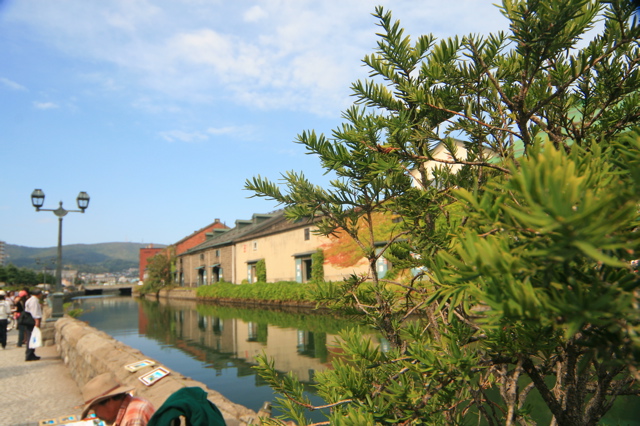
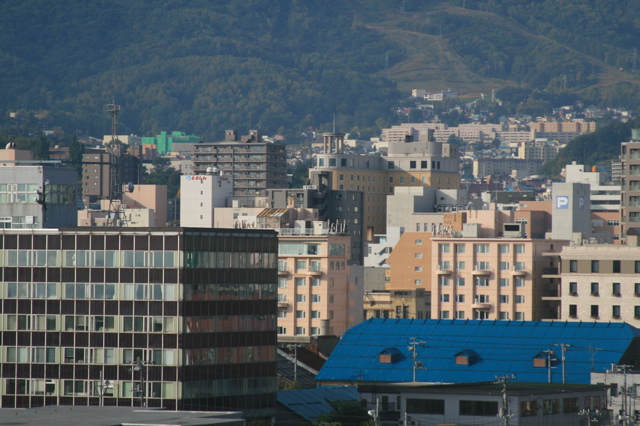
We docked in a fairly industrial area of Otaru Canal (Otaru Unga) on the island of Hokkaido. With our binoculars we could see quite a bit of the city and the surrounding hillside. After spending a day here, we decided that it’s a lovely little town, even if there isn’t too much to do.


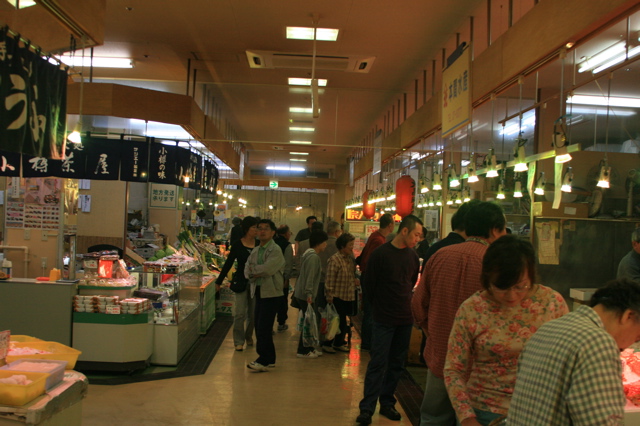
We started the morning with a tour of an indoor market with Quinn McMahon (executive chef of the Mariner) and the Le Cordon Bleu chef and teacher, Frank Jeandon. This was a terrific bonus offered to the participants of the Le Cordon Bleu cooking class and their spouses. Private taxis (watch those automatic doors!) took us from the dock to the market and waited while we were inside.

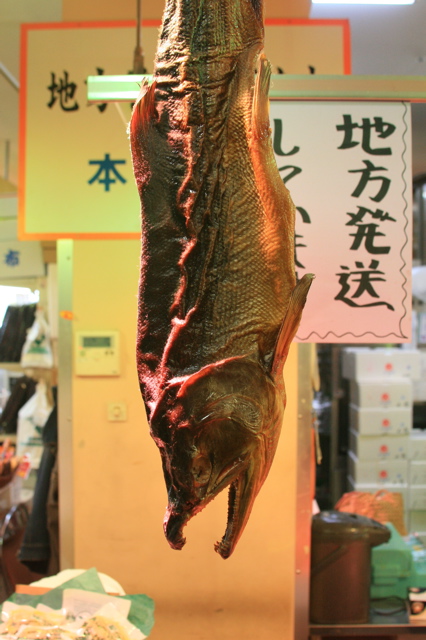
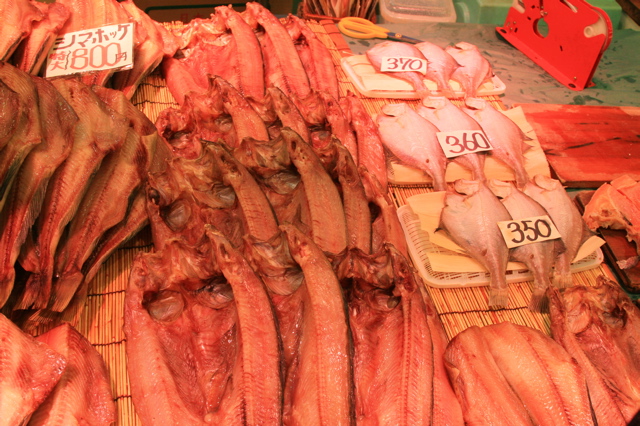
If you’re in Japan, you must visit one of these spectacular markets! We were amazed at the wide variety of foods and the just-caught freshness of all the seafood. You know the smell of an American fish market? It sometimes smells, well, fishy or fishy with a hint of bleach. That was not the case here. In fact, there was no scent at all other than the hint of sweetness from cut flowers and the bread in the bakery! So fresh!


Hokkaido is known for crab and you’ll definitely find it at this market! There were dozens of kiosks with row upon row of crab! It was a sight to behold! The market offered dozens of types of fish and shellfish, as well as fish eggs, seaweed, fresh fruit and vegetables, bakery items, sweets and other items I couldn’t identify.

We purchased several sweet bean cakes, skewered meats and rice balls. Our group then stopped for lunch at the sushi counter. (I’m not much of a raw fish eater but my husband raved about the quality and freshness of the sweet shrimp, tuna, eel, scallops and other items we were served.)
We then piled back into the taxi and asked the white-gloved driver to drop us off near the Sakai-machi Street Historic District so we could do our own thing for the rest of the day.


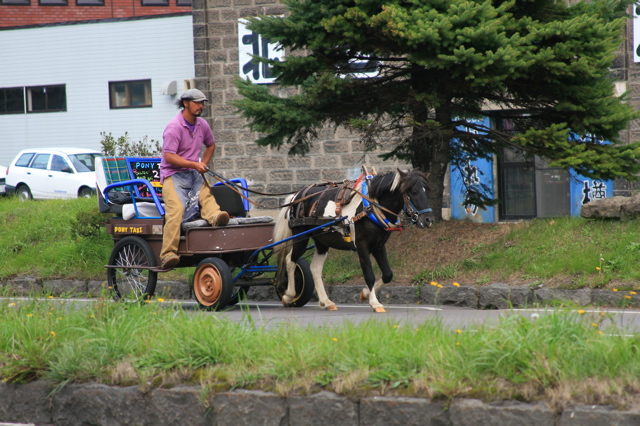
Once a busy port known for its herring trade, the highlight of Otaru is now its Meiji-era canal and brick warehouses which have been converted to gift shops and restaurants. This historic (i.e., tourist) area is outfitted with tree-lined cobblestone streets, brick buildings and old-fashion gas lamps. While we explored, we saw several strolling violinists and horse-drawn carriages were available to ferry tourists around town.


Unique gifts to be had in Otaru include music boxes (you’ll find several stores offering ready-made and customizable music boxes) and hand-blown glass items.

We spent our day eating, shopping and walking through the canal area. (Don’t miss the chocolates filled with melon wine sold throughout the city and the ale at the Otaru Brewery, both specialties of the area.)

Other highlights in the area include Goblin Hall, a small museum filled with tengu (long-nose goblin masks); Aoyama Villa with intricately painted sliding doors and lacquered floors; the Herring Mansion (Nishin Goten), the 1897 home of a fishery boss which now contains memorabilia of the herring boom time; and the Otaru Aquarium.

Regent offered several shore excursions in Otaru and also one to Sapporo, the capital of Hokkaido. That tour included quite a long bus ride so we were glad we decided to tour this port independently.

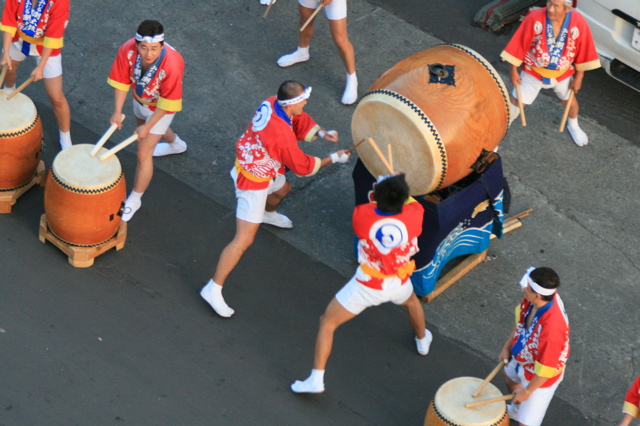
Back on the Mariner, we were treated to an authentic tea ceremony in the Horizon Lounge and some local folklore entertainment from The Yosakoi Soran Team. This local troupe of children, teens and adults were dressed in traditional Japanese costumes.

Later as the Mariner prepared to leave Otaru, The Yosakoi Soran Team raced along the pier, waving, to bide us a fond farewell. What a fantastic day!

Photos by Leonard Hospidor

Friday, September 29, 2006

Cruising the Kuril Islands & the Rough Sea of Okhotsk

Days 8 and 9 aboard the Regent Seven Seas Mariner (Alaska to Russia to Japan).


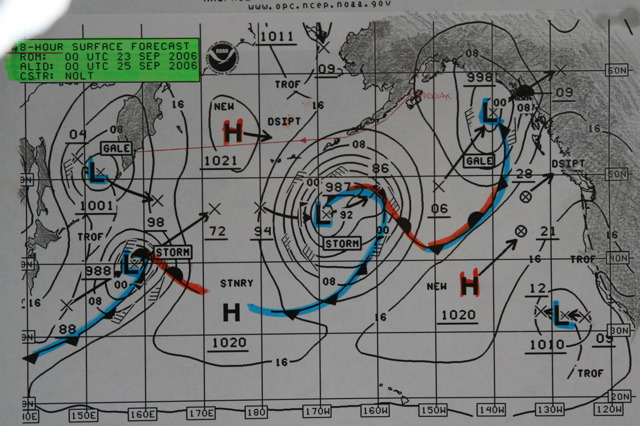
After sailing out of Avacha Bay, we headed toward the Kuril Island and then sailed across the Sea of Okhotsk toward Otaru, Japan. Here's where the waters got a bit rocky and we had the roughest seas of the entire cruise.

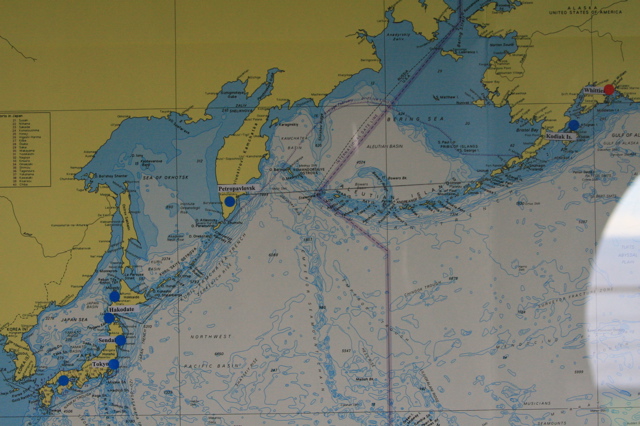
Captain Phillipe was wonderful about keeping everyone informed and the crew even posted detailed weather maps so guests could understand exactly what was in store. Voyage and weather maps were updated daily in the Observation Lounge.


On this particular evening, the boat rocked port to starboard all night long. It was tough to sleep because you'd roll one way, get comfortable and then the ship would pitch and you'd roll the other way! It was so turbulent that I actually got out of bed to secure all the stemware that was rattling around in our bar setup!

Luckily this only lasted for a little while and the next day was smooth sailing once again!

Photos by Leonard Hospidor